

About the Book
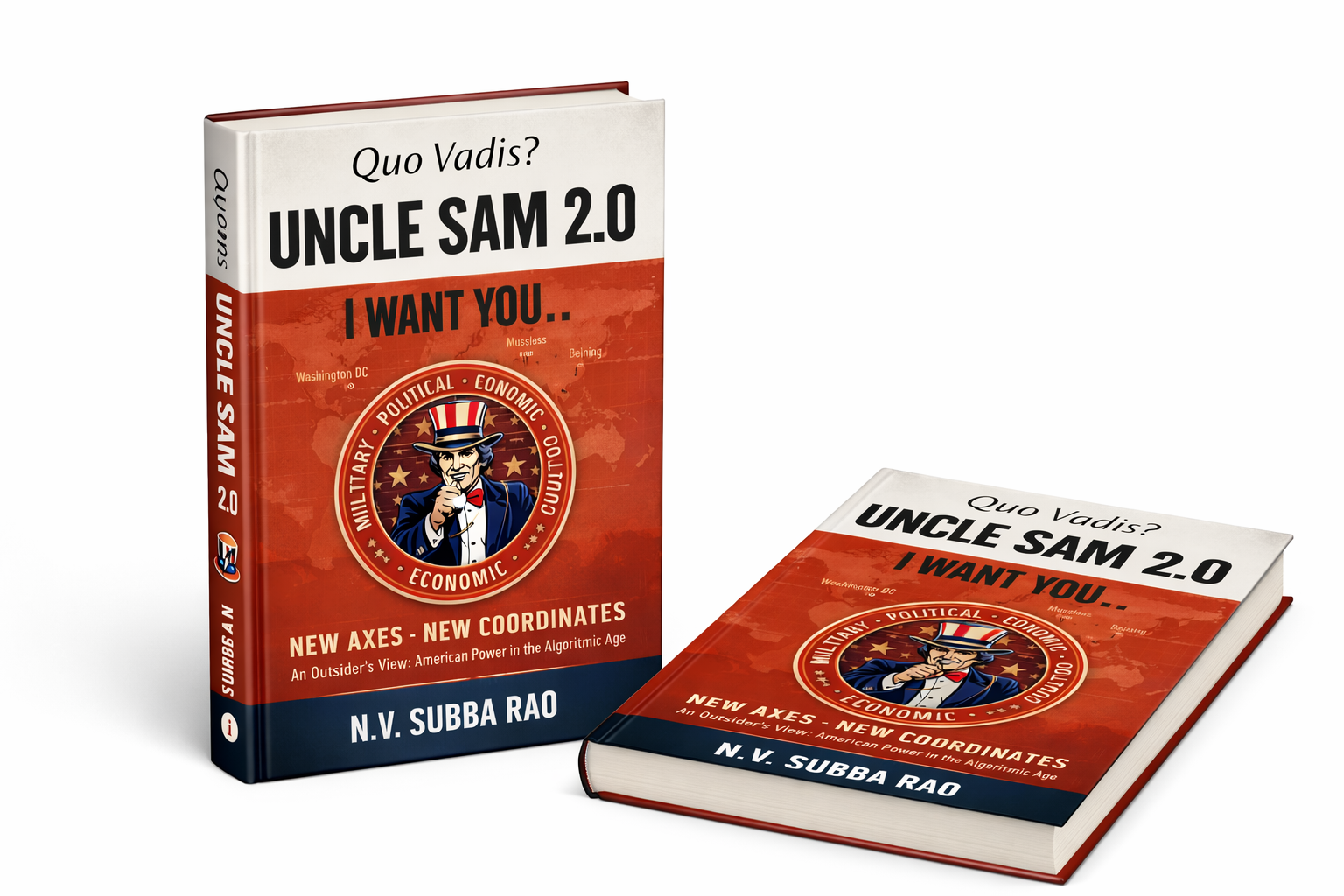
The world leadership order post WW-II flowed from and out of the USA. But something has changed—big time in recent years—in how power, fanned by social media platforms works in the world
In Uncle Sam’s land, the seismic shift from the iconic I Want You… to I Don’t want You… to I Want You at a price tag of $5 million, Your Land, Your Whatever, as I deem fit today …, is perhaps the most telltale sign of the changes that are happening, and forthcoming. America, it appears is working hard and overtime to be at war both within and out-side US to abdicate the mantle of “American dream, Global leadership, Free trade and Leader of free world.” It fumes and threatens citizens and world leaders alike, at will, with insults, raids, arrests, deportations, claims, tweets, tariffs, wars, sanctions, etc. — the list, seemingly tyrannical goes long and deep. And the same is played out on social media for the world to see in real time, and to wonder if it is a joke or a nightmare for real.
The belligerent tone and hostile tenor are already impacting the world in ways never imagined before. What once felt predictable now feels volatile. Politics is louder but less stable. Media is faster but less trustworthy. Social platforms promise connection while quietly amplifying division. Algorithms shape attention, outrage, loyalty—and increasingly, reality itself.
Uncle Sam 2.0 uses the enduring symbol of “Uncle Sam” as a narrative anchor to track how American hegemony—power and influence— is shifting across politics, money, culture, war, and technology. The words and actions of the United States now ripple globally to redefining influence, authority, and control.
The book begins with the unease—the sense that ‘old rules-old maps’ no longer explain the terrain, and that the rules of power are being forcibly rewritten in real time. It explores how platforms, algori-thmic incentives, and attention economies create new axes and new coordinates—where chaos can be engineered, norms can be bent, and loyalty can begin to resemble cults and their beliefs – 24 x 7.
One of the book’s distinctive features is its use of more than a hundred sidebars — as fun facts, side notes, stats cull outs, short signal interpretations, cybernetic callouts, historical context cues, data flashpoints, and reflections — designed to help readers engage at multiple depths without losing narrative continuity. And so, Uncle Sam 2.0 offers readers a way to see beneath the noise—how signals are shaped, how reactions are cultivated, and how systems drift, lock in, or trip.
Uncle Sam 2.0 is not a book about geo-politics alone. It is about how digital societies function when technology, money, media, emotion, and geopolitics collide—and how citizens, institutions, and democracies can recognize the patterns before they become permanent.
Yet the direction Uncle Sam is taking has everyone wondering, as to what he is doing and where he is going?
About the author
N V Subba Rao
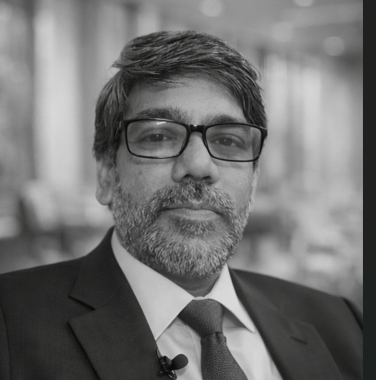
Subba Rao is a business leader turned academic and author with over two decades of experience across Telecom, FMCG, and startups. He has held CXO and board roles in Marketing, Sales, NPD, and Strategy, and holds several patents from
his tenure at Procter & Gamble, Japan.
Drawing on his doctoral work on social media behavior, he has published peer review-ed research on digital engagement and networked identity.
Subba Rao nurtures research and teaching interests in Social Cybernetics, Social Media Behaviors, Entrepreneurship, and is closely associated with angel networks and startups as a board member and mentor.
 The book